
Vance in Munich - one year on
The backlash in Europe is building

Dear readers - Watching China in Europe is primarily, as the name suggests, about Europe’s relationship with China. But I will occasionally write about European and transatlantic issues that don’t have a direct link to China. This is one of those occasions. Noah
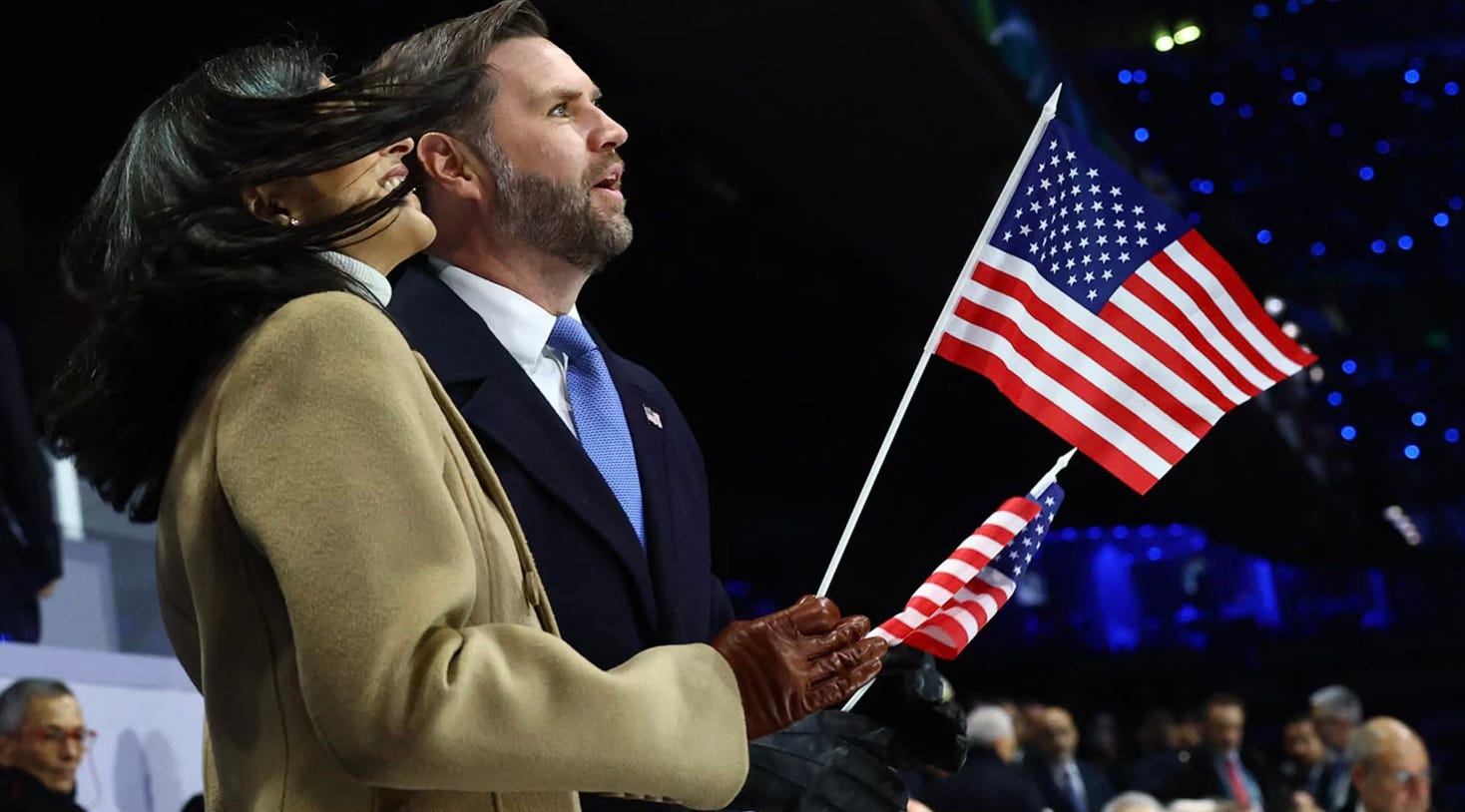
It shouldn’t have come as a surprise. But Donald Trump seemed taken aback, nonetheless. Asked by reporters on Air Force One about the booing and jeering of Vice President JD Vance and his wife Usha at the opening ceremony of the Winter Olympics in Milan last week, the US president replied: “Is that true? That’s surprising because people like him.” Hours before the ceremony in the San Siro stadium, hundreds of people took to the streets of Milan to protest the presence of American ICE agents in the country.
Whether it’s fury over the killings in Minneapolis, Trump’s threats against Greenland, his administration’s support for European far-right parties or its campaign to dismantle EU rules to stop the spread of hate speech and disinformation, an anti-American backlash is sweeping across Europe with a ferocity that I have not seen in my 28 years living here. Members of the Trump administration either don’t seem to care, are oblivious to the extent of it, or perhaps both. I spent a week in Washington DC last month, at the height of the tumult over Greenland. From my conversations, including with members of the administration, it was clear to me that the consequences of US actions are not fully appreciated. The booing of JD Vance is the tip of an iceberg that is getting bigger by the day.
“I am increasingly convinced that the US will evolve into an adversary of Europe. We need to plan for a world where the US is seeking to undermine everything we hold dear.”
Late last year, before the standoff over Greenland or the violence in Minneapolis, I spoke with a veteran diplomat from one of Europe’s most US-friendly countries. “I am increasingly convinced that the US will evolve into an adversary of Europe,” the diplomat told me. “We need to plan for a world where the US is seeking to undermine everything we hold dear.” A survey by YouGov published last week showed not only that European views of the US are more negative than at any time since it began tracking this a decade ago, but that a minority of citizens in countries like Britain, Germany and Spain (not to mention Denmark), now view the US as a friendly nation. This is an entirely new phenomenon. Below are three observations about how this is likely to play out.
First, the US pressure campaign against European liberal democracy is only just beginning. We got a first taste of it one year ago when Vance urged Europe, in a speech at the Munich Security Conference, to embrace far-right parties, telling his audience in the Bayerischer Hof “there is no room for firewalls”. Since then, this message has been embedded in US policy documents, like the National Security Strategy (NSS), and operationalized at the State Department, under Sarah Rogers, Undersecretary of State for Public Diplomacy. Rogers and a colleague, Samuel Samson, traveled to Europe in December to spread the administration’s message that European attempts to regulate online content violate the right to free speech of American citizens, protected under the First Amendment of the US Constitution.
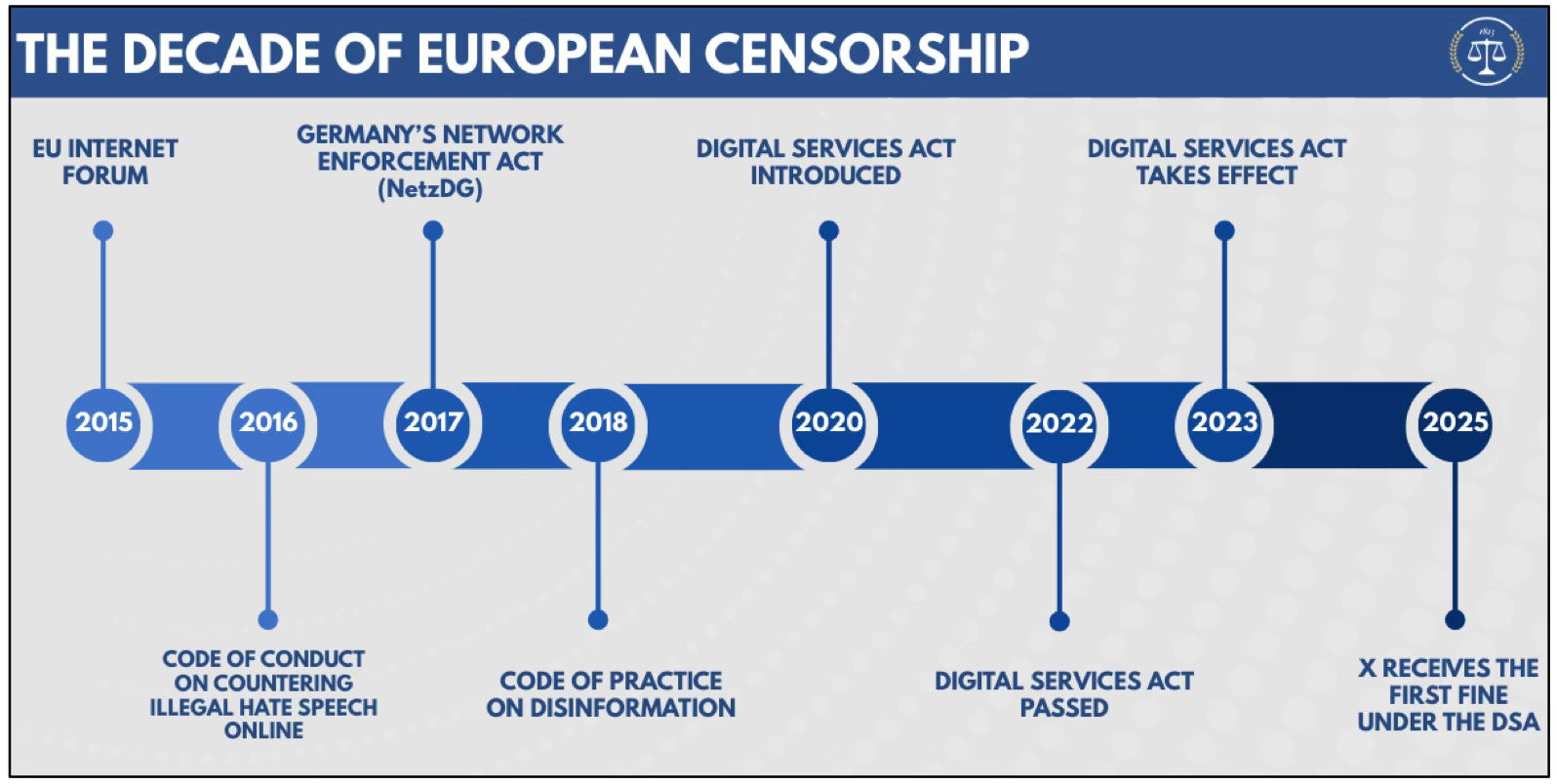
According to reporting in the Financial Times, the State Department plans to fund MAGA-aligned think tanks and charities across Europe as part of an initiative tied to the 250th anniversary of American independence this year. As a report released last week by the US House Judiciary Committee makes clear, the aim is to dismantle the EU’s Digital Services Act (DSA), the 2023 law that requires US tech giants like X and Meta to remove illegal content from their platforms. In December, the Commission imposed its first penalties under the DSA, fining Elon Musk’s X 120 million euros for a range of violations. Last month it opened an investigation into Musk’s AI chatbot Grok for generating sexually explicit images that, in the words of the Commission, “may amount to child sex abuse material”.
Samson met with aligned right-wing parties in Czechia, Slovakia, Austria, and Hungary in December. The State Department hopes, US officials have told me, to leverage these relationships to foment opposition to the DSA from within Europe. In January, nationalist Polish President Karol Nawrocki vetoed a bill that would have set up the national enforcement machinery required under the DSA. In a speech in Budapest, Samson painted a picture of Europe that few of its citizens would recognize — one with migrant hordes attacking European women and radical leftist NGOs covering up their crimes. In a briefing for the press at the end of his trip, he accused an “unelected, unaccountable bureaucratic class” of imposing a “radical progressive ideology” on Europe. Rogers is expected to repeat this message when she attends the Munich Security Conference this week.
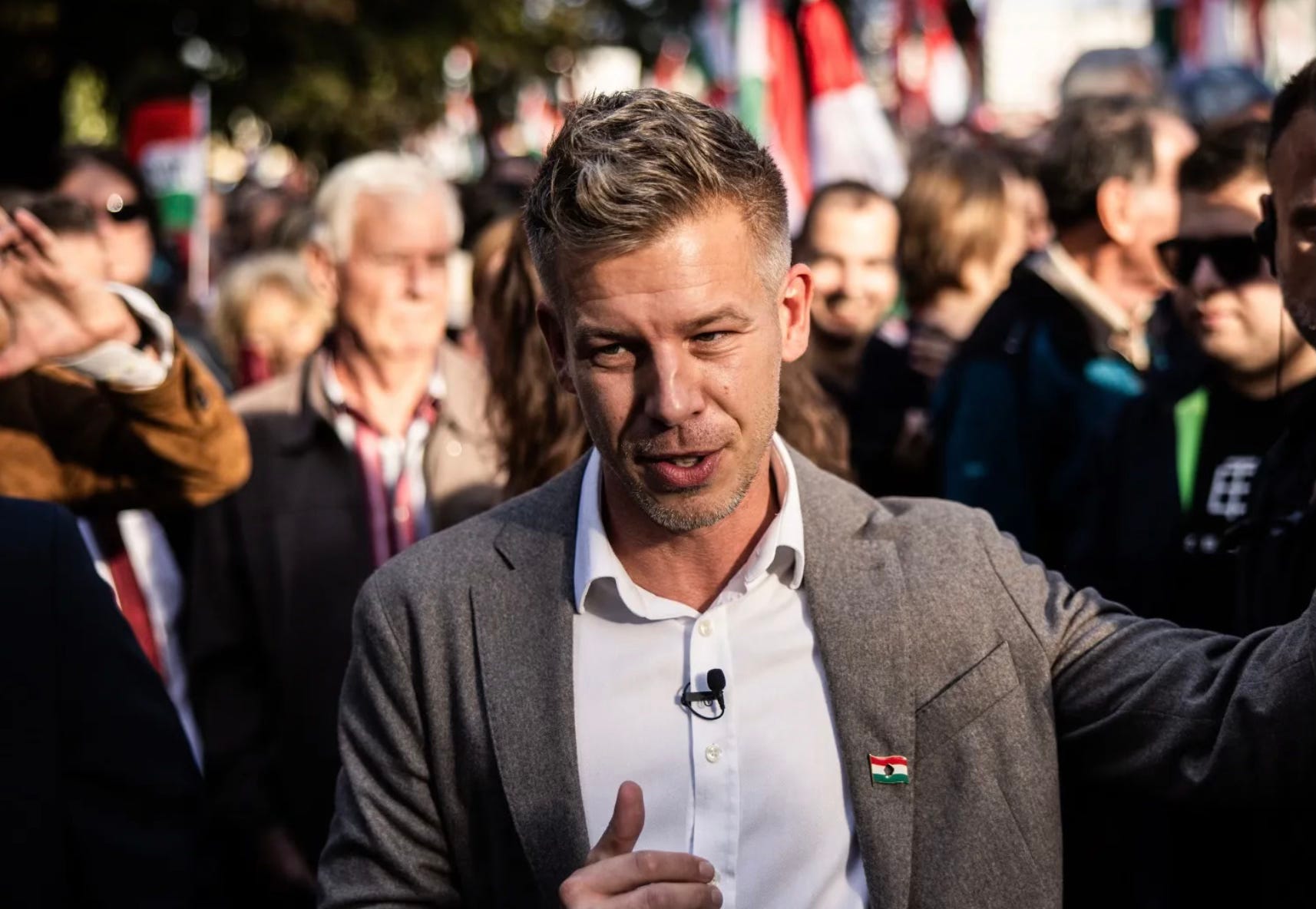
Second, the Trump administration’s plans, in the words of the NSS, to cultivate resistance to Europe’s current trajectory (code for regime change) are likely to backfire. By threatening to annex European territory, the president risks becoming a liability for the far-right parties in Europe that his administration is determined to boost. The MAGA movement’s closest ally in Europe, Viktor Orban, is trailing in the polls months before an April election in Hungary. A new centrist, pro-European party will take power in The Netherlands later this month, replacing one led by the party of far-right firebrand Geert Wilders. And Marine Le Pen’s hopes of overturning a ban on running in the French presidential election next year are fading.
The Alternative for Germany (AfD) is expected to do well in a series of German state elections this year, especially in the eastern states of Mecklenburg-Vorpommern and Sachsen-Anhalt in September. But in the two western states that will vote next month, Baden-Württemberg and Rheinland-Pfalz, centrist parties are on track to win the support of two-thirds of the electorate, with Chancellor Friedrich Merz’s center-right party in the lead in both regions. As Canada’s election demonstrated last year, proximity to Trump and MAGA ideology, whether real or perceived, can sink right-wing, nationalist parties on election day, especially when the US president is threatening to seize your land. As Japan’s election showed on Sunday, coercive pressure from abroad — in this case from China — can backfire badly on the coercer.
Third, the behavior of the Trump administration is likely to have real consequences for US interests, including for the tech bros who are encouraging it. We saw what happened to Tesla’s sales in Europe when Musk was making fascist salutes, flirting with AfD leader Alice Weidel, and wielding an axe against US government agencies as head of DOGE. My sense from conversations I’ve had with European officials in recent weeks is that the attacks on the DSA will reinforce the bloc’s determination to hit back against US Big Tech. Last week, French authorities raided the Paris offices of Musk’s X and the Spanish government said it would ban social media for children under 16, while holding the CEOs of technology firms criminally liable for illicit content on their platforms.
“De-risking from US technology platforms used to be a niche topic in Brussels. My sense is that we’re now moving into the action phase.”
These are not isolated developments. They reflect a broader backlash across Europe, which could lead to far tougher policies against US technology firms than the MAGA and Silicon Valley crowds might imagine. “De-risking from US technology platforms used to be a niche topic in Brussels,” an EU trade official told me last week. “My sense is that we’re now moving into the action phase. The EU is like a tanker. It moves slowly, but when it starts moving, it is very difficult to stop.”